Understanding the Benefits and Varieties of Aluminum Castings in Sector
Aluminum castings have come to be significantly important throughout various markets because of their one-of-a-kind properties and producing adaptability. Their lightweight and corrosion-resistant nature makes them appropriate for demanding applications. Various casting approaches enable accurate and detailed layouts. As sectors advance, comprehending the variety of light weight aluminum spreading choices and their benefits is vital. This expedition elevates questions regarding their future duty in production and sustainability. What exists in advance for aluminum in these sectors?
The Fundamentals of Aluminum Casting Processes
Aluminum spreading processes vary in strategy, they all share an usual goal: to change molten light weight aluminum right into precise forms and components. The key approaches of aluminum spreading include sand spreading, die spreading, and financial investment spreading. In sand spreading, molds are produced using sand, enabling for intricate styles however commonly resulting in a rough surface area finish. Die casting uses high-pressure injection of molten aluminum into steel molds, generating high precision and smooth surfaces, appropriate for automation. Investment casting, or lost-wax spreading, includes producing a wax pattern coated with a ceramic covering, offering remarkable detail and dimensional precision. Each method has its specific applications and considerations, consisting of price, production volume, and complexity of the forms produced. Comprehending these basic strategies is essential for sectors that rely upon light weight aluminum castings to fulfill their design and useful needs.
Key Benefits of Using Aluminum Castings
Aluminum castings use various advantages that make them a preferred choice in different sectors. One of the key benefits is their lightweight nature, which allows for less complicated handling and reduced shipping prices. This particular contributes to enhanced power performance, particularly in automobile and aerospace applications. Furthermore, aluminum shows excellent corrosion resistance, expanding the life expectancy of components and lessening upkeep requirements.
An additional benefit is the convenience of light weight aluminum castings, which can be formed right into complex forms, making it possible for ingenious styles that standard materials may not accommodate. The thermal and electric conductivity of aluminum likewise makes it perfect for applications requiring heat dissipation or reliable electrical links. Additionally, light weight aluminum castings are recyclable, straightening with sustainability goals and decreasing ecological impact. In general, the mix of stamina, durability, and adaptability makes light weight aluminum castings an essential element in modern-day manufacturing methods throughout numerous sectors.
Usual Kinds Of Aluminum Castings
Aluminum castings are created through various methods, each suited for different applications and demands. Among one of the most typical methods are sand spreading, which provides adaptability and cost-effectiveness, and die spreading, known for its accuracy and efficiency. Comprehending these procedures is crucial for selecting the ideal casting approach for particular industrial needs.
Sand Casting Process
A substantial portion of aluminum castings in industry is created via the sand spreading procedure, which is renowned for its versatility and cost-effectiveness. This method involves developing a mold and mildew from a sand blend, permitting the production of complex forms and big elements. Sand spreading is specifically beneficial for little to medium-sized manufacturing runs, as it requires marginal preliminary financial investment in tooling. The procedure begins with pattern making, adhered to by mold and mildew preparation, putting molten light weight aluminum, and lastly, cooling and completing. The high thermal conductivity of light weight aluminum assurances even cooling, decreasing the risk of problems. Sand spreading remains a favored selection for manufacturers seeking efficiency and versatility in their light weight aluminum casting applications.
Die Casting Techniques
Die casting methods stand for a very efficient approach for generating light weight aluminum castings, particularly fit for high-volume manufacturing. These methods mostly include two common types: warm chamber and chilly chamber pass away spreading. In warm chamber die casting, the molten light weight aluminum is injected into the mold and mildew from a tank that is heated, making it suitable for low-melting-point alloys. Conversely, cold chamber pass away casting includes putting the liquified light weight aluminum into a different chamber prior to injection, which fits higher melting-point products. Both techniques offer precision fit complicated geometries and achieving exceptional surface area finishes. In addition, pass away casting is understood for its rapid cycle times, decreasing manufacturing expenses while maintaining consistency in quality throughout large quantities of parts.
Applications in the Automotive Industry
Transforming car layout and efficiency, aluminum castings play an essential duty in the vehicle sector. These castings contribute considerably to weight reduction, boosting fuel effectiveness and total car dynamics. Key applications consist of engine blocks, transmission housings, and suspension parts, where their lightweight nature and stamina are crucial.
Aluminum castings additionally permit for intricate geometries, allowing manufacturers to develop intricate designs that maximize air flow look at here and minimize drag. This capacity is especially useful in electric and hybrid automobiles, where efficiency and efficiency are extremely important.
Additionally, the deterioration resistance of aluminum prolongs the lifespan of vehicle components, reducing maintenance prices and boosting lorry reliability. The versatility of aluminum castings supports both automation and customized applications, making them a favored choice among automotive engineers and designers. Aluminum Casting. As the sector remains to introduce, light weight aluminum castings will certainly stay a critical aspect in the quest of sophisticated automobile technologies
Aerospace Sector Usage
In the aerospace sector, light weight aluminum castings are essential to the style and performance of airplane parts. These castings are made use of in different applications, including engine parts, architectural components, and interior fittings. Their light-weight nature adds to boosted fuel performance and total performance, which is essential in aerospace design.
Aluminum castings likewise provide superb strength-to-weight proportions, allowing makers to create intricate layouts without jeopardizing structural honesty. The capacity to create intricate geometries makes light weight aluminum casting a recommended choice for parts that require precision and integrity.
Furthermore, light weight aluminum's resistance to rust enhances the durability of aerospace parts, lowering maintenance costs and improving security (Aluminum Casting). The spreading process enables high-volume manufacturing, meeting the industry's needs for effectiveness. Overall, aluminum castings play a pivotal duty in progressing aerospace innovation and optimizing airplane layout, adding to the sector's ongoing advancements
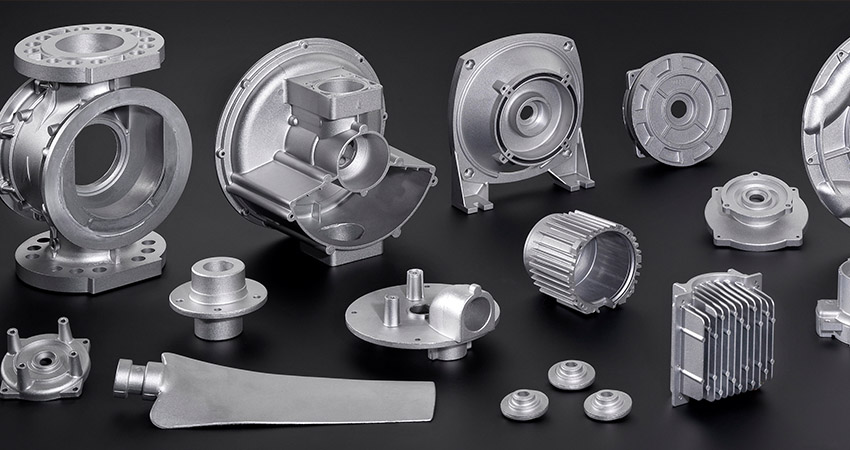
Advantages Over Other Materials
Aluminum castings supply significant advantages over various other materials, making them a preferred choice in numerous industries. One of the main benefits is their light-weight nature, which contributes to lowered power intake and enhanced performance in applications such as vehicle and aerospace. Furthermore, light weight aluminum displays outstanding rust resistance, allowing for long term toughness and decreased upkeep costs.
The product's premium thermal and electrical conductivity better enhances its allure, particularly in applications calling for warmth dissipation or efficient energy transfer. Aluminum Casting. Aluminum castings also provide excellent dimensional security, guaranteeing accurate tolerances and lowering the chance of defects during the production procedure
The convenience of light weight aluminum permits for complicated forms and elaborate layouts, which can be achieved via various casting methods. This flexibility makes light weight aluminum a useful option for producers aiming to introduce while keeping cost-effectiveness and high quality. In conclusion, light weight aluminum castings stick out because of their one-of-a-kind combination of homes that deal with diverse commercial demands.
Future Trends in Aluminum Casting Technology
Future patterns in light weight aluminum casting modern technology are increasingly concentrated on automation and the advancement of sophisticated alloys. Automation stands to boost effectiveness and accuracy in casting procedures, lowering labor costs and improving item consistency. Simultaneously, advancements in alloy solutions assure to increase the variety of applications for aluminum castings, resolving particular performance needs in different sectors.
Automation in Casting Procedures
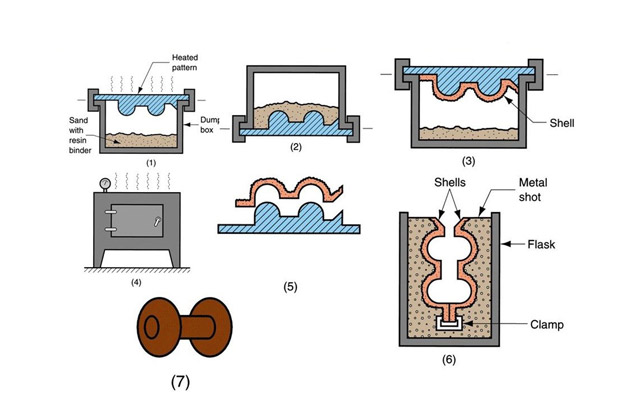
Advanced Alloys Advancement
With the continuous evolution of product science, the development of advanced alloys is readied to change light weight aluminum casting technology significantly. These ingenious alloys are created to boost mechanical residential or commercial properties, corrosion resistance, and thermal stability, catering to diverse industrial applications. Scientists are concentrating on crossbreed alloys redirected here that incorporate elements such as magnesium, silicon, and zinc to attain peak efficiency. Additionally, innovations in computational modeling and simulation are making it possible you could look here for the prediction of alloy actions under different conditions, improving the design procedure. The integration of recycling technologies is additionally ending up being vital, allowing makers to generate high-performance aluminum castings while lessening ecological effect. As these patterns proceed, the light weight aluminum casting market is likely to witness significant enhancements in effectiveness, sustainability, and item quality.
Frequently Asked Concerns
Exactly How Is Aluminum Casting Environmentally Friendly?
The inquiry of aluminum casting's ecological friendliness arises from its recyclability and reduced energy intake contrasted to other steels. Additionally, innovations in sustainable techniques even more boost its eco-friendly credibility within manufacturing processes.
What Is the Regular Life-span of Aluminum Castings?
The typical life expectancy of light weight aluminum castings differs based upon application and environment, normally varying from a number of years to decades. Aspects such as exposure to harsh components and mechanical anxiety can considerably affect their sturdiness and long life.
Can Aluminum Castings Be Recycled?
Aluminum castings can undoubtedly be reused. This process significantly decreases waste and preserves sources, permitting producers to recycle materials effectively. Recycling aluminum castings adds to sustainability and reduces the ecological influence connected with light weight aluminum manufacturing.
What Are the Typical Defects in Aluminum Castings?
Usual problems in light weight aluminum castings include porosity, shrinking, misalignment, and surface blemishes. These concerns can occur from poor putting methods, incorrect alloy structure, or not enough cooling, eventually affecting the quality and performance of the last item.
Just how Do I Select the Right Aluminum Casting Refine?
Picking the ideal light weight aluminum spreading procedure requires assessing production quantity, part intricacy, and preferred residential or commercial properties. Elements such as expense, lead time, and material attributes additionally influence the choice, making certain ideal results for certain applications.
Comments on “Top 7 applications of Aluminum Casting in cutting-edge technology”